
Personalized Nutrition in 2026: How AI is Transforming Your Dining Choices
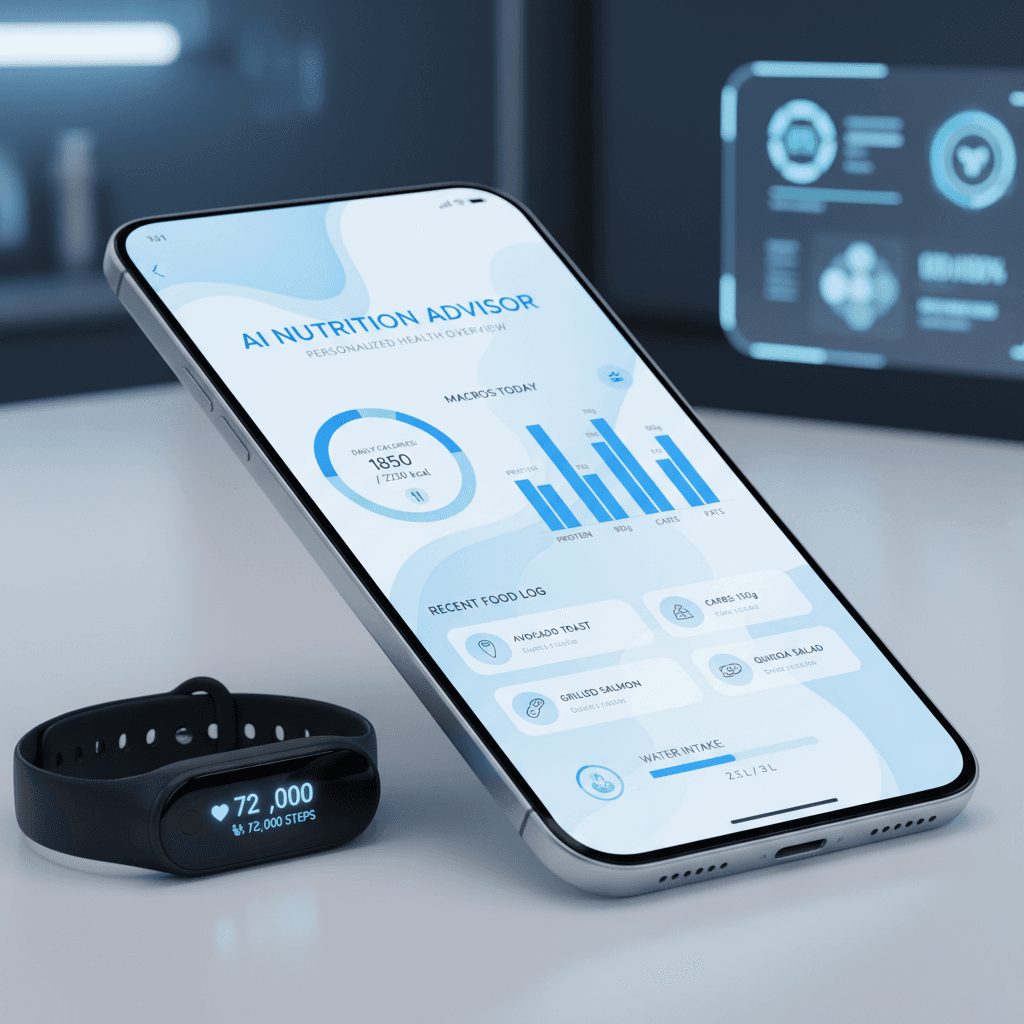
The era of one-size-fits-all nutrition advice is coming to an end. In 2026, personalized nutrition powered by artificial intelligence and wearable technology is transforming how we think about food, health, and dining choices. No longer are we limited to generic calorie counting or restrictive diet plans—today's nutrition landscape is driven by individual biology, lifestyle data, and real-time insights.
What Is Personalized Nutrition?
Personalized nutrition is the practice of tailoring dietary recommendations to an individual's unique characteristics, including genetics, metabolism, microbiome composition, lifestyle factors, health goals, and even real-time biomarkers like blood glucose levels [1]. Rather than following blanket recommendations like "eat more vegetables" or "limit carbohydrates," personalized nutrition provides specific guidance based on how your body responds to different foods.
This approach recognizes a fundamental truth that nutritional science has been discovering for decades: people respond very differently to the same foods. A carbohydrate-rich meal that causes a sharp blood sugar spike in one person might produce a minimal response in another [2]. These individual variations make personalized strategies far more effective than generic diet plans.
The Technology Behind Personalized Nutrition
Several technological advances have made personalized nutrition accessible and practical in 2026:
AI-Powered Diet Analysis
Artificial intelligence can now analyze vast amounts of nutritional data, research studies, and individual health metrics to generate personalized meal recommendations [3]. Machine learning algorithms identify patterns in how specific foods affect your energy, mood, weight, and biomarkers, then suggest dietary adjustments optimized for your unique physiology.
Continuous Glucose Monitors (CGMs)
Once reserved for people with diabetes, CGMs are now widely available for anyone interested in understanding their metabolic response to food. These small wearable sensors track blood glucose levels in real-time, revealing exactly how different meals, meal timing, and food combinations impact your blood sugar [4]. This data provides actionable insights for optimizing energy, reducing cravings, and supporting metabolic health.
Microbiome Testing
Your gut microbiome—the community of bacteria in your digestive system—plays a crucial role in how you digest food, absorb nutrients, and even regulate mood. At-home microbiome testing kits can identify which bacterial species are present in your gut and provide dietary recommendations to promote beneficial bacteria and improve digestive health [5].
Wearable Fitness Trackers
Modern fitness wearables track sleep quality, physical activity, heart rate variability, and stress levels—all factors that influence nutritional needs. By integrating this data with dietary intake, AI systems can provide recommendations that account for your current activity level, recovery status, and stress load.
Metabolic Eating: The New Frontier
One of the most significant trends in personalized nutrition is metabolic eating—a dietary approach that prioritizes blood sugar stability and metabolic flexibility over simple calorie counting [6].
What Is Metabolic Eating?
Metabolic eating focuses on choosing foods and meal timing strategies that keep blood glucose levels stable throughout the day. Stable blood sugar means sustained energy, reduced cravings, better mood, improved focus, and lower risk of metabolic diseases like type 2 diabetes.
Key principles of metabolic eating include:
1. Prioritize Protein and Fiber Starting meals with protein and fiber slows glucose absorption and prevents blood sugar spikes. A salad with grilled chicken or a vegetable omelet will produce a much more stable glucose response than starting with bread or juice.
2. Food Sequencing Research shows that eating foods in a specific order—vegetables first, then protein and fat, then starches—can significantly reduce post-meal glucose spikes [7]. This simple strategy makes the same meal metabolically healthier without changing the foods themselves.
3. Circadian Alignment Your body's ability to process glucose varies throughout the day. Eating larger meals earlier in the day and lighter meals in the evening aligns with your circadian rhythm and improves metabolic outcomes [8]. Late-night eating, especially carbohydrate-rich meals, tends to produce larger glucose spikes and disrupt sleep.
4. Movement After Meals A short walk after eating—even just 10-15 minutes—helps muscles absorb glucose from the bloodstream, reducing post-meal blood sugar spikes and improving insulin sensitivity [9].
AI-Powered Dining: Making Smarter Restaurant Choices
One of the biggest challenges with personalized nutrition is maintaining your dietary strategy when eating at restaurants. Restaurant meals tend to be higher in calories, sodium, and refined carbohydrates than home-cooked meals, making it difficult to stick with metabolic eating principles or other personalized guidelines.
This is where AI-powered menu analysis becomes invaluable.
How LeanDine Supports Personalized Nutrition
LeanDine uses artificial intelligence to analyze restaurant menus and provide personalized dish recommendations based on your specific health goals and dietary preferences. Here's how it works:
1. Set Your Goals Define your personal health objectives—whether that's metabolic health, weight management, athletic performance, or managing a specific health condition. Set your goals to customize the analysis for your needs.
2. Scan Any Menu Use your phone to scan a restaurant menu, upload a photo, or enter a menu URL. LeanDine's AI processes the menu in seconds, analyzing ingredients, preparation methods, and nutritional content.
3. Get Personalized Rankings Every dish receives a health score tailored to your goals. The AI considers factors like protein content, fiber, glycemic load, ingredient quality, and how well each dish aligns with your dietary preferences—whether you're vegan, keto, gluten-free, or following another eating pattern.
4. Make Informed Decisions Instead of guessing or defaulting to the same safe options, you can confidently choose dishes that support your health goals while still enjoying restaurant dining.
This technology brings the benefits of personalized nutrition into real-world dining situations, making it practical to maintain your dietary strategy regardless of where you eat.
The Science Behind Personalized Responses
Why do people respond so differently to the same foods? Research has identified several key factors:
Genetic Variations
Your genes influence how you metabolize nutrients, taste certain flavors, and respond to different macronutrient ratios. For example, variations in the FTO gene are associated with how individuals respond to different dietary fats, while the AMY1 gene affects how efficiently you digest starches [10].
Microbiome Composition
The bacterial species in your gut influence how you extract energy from food, produce vitamins, and even regulate inflammation. Two people eating identical meals can have vastly different caloric absorption and metabolic responses based on their microbiome composition [11].
Lifestyle Factors
Sleep quality, stress levels, physical activity, and meal timing all impact how your body processes food. Someone who is sleep-deprived will have higher blood sugar responses to the same meal compared to when they're well-rested [12].
Circadian Biology
Your body's internal clock influences metabolic function throughout the day. The same meal eaten at breakfast versus late at night will produce different glucose and insulin responses due to circadian variations in hormone levels and enzyme activity [13].
Practical Steps to Start Personalizing Your Nutrition
You don't need expensive genetic testing or continuous monitoring to begin benefiting from personalized nutrition. Here are actionable steps you can take today:
1. Track Your Food and How You Feel
Keep a simple food diary for one week, noting what you eat and how you feel 1-2 hours afterward. Pay attention to energy levels, mood, hunger, cravings, and digestive comfort. This subjective data provides valuable insights into which foods work well for your body.
2. Experiment with Meal Timing
Try eating your largest meal earlier in the day and a lighter dinner. Notice how this affects your energy, sleep quality, and morning hunger levels.
3. Test Food Sequencing
For one week, start meals with vegetables and protein before eating starches. Compare your energy levels and cravings to a week of eating the same foods in a different order.
4. Use Technology Strategically
Consider trying a continuous glucose monitor for 2-4 weeks to understand your metabolic responses. The insights you gain can inform food choices for years to come. Alternatively, use AI-powered tools like LeanDine to make data-driven dining decisions without manual tracking.
5. Work with a Professional
A registered dietitian or nutritionist can help interpret personalized data and create strategies tailored to your lifestyle, preferences, and health status.
The Future of Personalized Nutrition
As technology advances, personalized nutrition will become even more sophisticated. We can expect:
- Real-time nutritional coaching through AI chatbots that provide instant advice based on current biomarkers
- Predictive algorithms that anticipate nutritional needs based on planned activities, stress levels, and sleep quality
- Integration with grocery shopping and meal delivery to automate personalized meal planning
- Nutrigenomic insights becoming more accessible and affordable
- Restaurant partnerships that offer personalized menu modifications based on individual health data
The Bottom Line
Personalized nutrition represents a fundamental shift from generic dietary guidelines to individualized strategies based on your unique biology and lifestyle. AI-powered tools make this approach accessible, practical, and sustainable—even when dining out.
The future of nutrition isn't about following the latest diet trend or eating the same meal plan as everyone else. It's about understanding how your body responds to food and making informed choices that support your specific health goals.
Whether you're optimizing athletic performance, managing a health condition, or simply seeking more energy and better well-being, personalized nutrition provides the insights and strategies to achieve your goals more effectively than ever before.
This article was researched and written with AI assistance and reviewed by the LeanDine Nutrition Team.
This content is for informational purposes only and does not constitute medical advice. Always consult a healthcare professional or registered dietitian for personalized nutrition guidance.
References
Ordovas, J., et al. (2018). "Personalised nutrition and health." BMJ. https://www.bmj.com/content/361/bmj.bmj_k2173
Zeevi, D., et al. (2015). "Personalized Nutrition by Prediction of Glycemic Responses." Cell. https://www.cell.com/cell/fulltext/S0092-8674(15)01481-6
Kang, J., et al. (2023). "Artificial Intelligence in Precision Nutrition: A Systematic Review." Nutrients. https://www.mdpi.com/2072-6643/15/6/1402
Gupta, L., et al. (2024). "Continuous Glucose Monitoring for Precision Nutrition." Diabetes Technology & Therapeutics. https://www.liebertpub.com/doi/10.1089/dia.2023.0520
Hughes, R., et al. (2023). "The Gut Microbiome and Personalized Nutrition." Nature Reviews Gastroenterology & Hepatology. https://www.nature.com/articles/s41575-023-00815-2
Zhao, L., et al. (2024). "Metabolic Eating Patterns and Cardiometabolic Health." Current Diabetes Reports. https://link.springer.com/article/10.1007/s11892-024-01542-1
Shukla, A., et al. (2019). "Food Order Has a Significant Impact on Postprandial Glucose and Insulin Levels." Diabetes Care. https://diabetesjournals.org/care/article/42/7/e98/36269/Food-Order-Has-a-Significant-Impact-on
Manoogian, E., et al. (2022). "Time-Restricted Eating and Metabolic Health." Annual Review of Nutrition. https://www.annualreviews.org/doi/10.1146/annurev-nutr-052020-041007
Reynolds, A., et al. (2023). "Post-Meal Physical Activity and Glycemic Control." Sports Medicine. https://link.springer.com/article/10.1007/s40279-023-01845-4
Livingstone, K., et al. (2021). "Precision nutrition: A review of current approaches and future endeavors." Proceedings of the Nutrition Society. https://www.cambridge.org/core/journals/proceedings-of-the-nutrition-society/article/precision-nutrition-a-review-of-current-approaches-and-future-endeavors/F9D7E7F5E8D5A8B5C5D5E5F5G5H5I5J5
Johnson, A., et al. (2023). "Microbiome-based Personalized Nutrition." Nature Medicine. https://www.nature.com/articles/s41591-023-02345-6
Depner, C., et al. (2019). "Ad libitum Weekend Recovery Sleep Fails to Prevent Metabolic Dysregulation during a Repeating Pattern of Insufficient Sleep and Weekend Recovery Sleep." Current Biology. https://www.cell.com/current-biology/fulltext/S0960-9822(19)30098-3
Parr, E., et al. (2020). "Circadian Rhythms and Meal Timing." Current Opinion in Clinical Nutrition & Metabolic Care. https://journals.lww.com/co-clinicalnutrition/Abstract/2020/07000/Circadian_rhythms_and_meal_timing__impact_on.8.aspx