
Eating Out on a Gut Health Diet: Expert Tips for Restaurant Dining
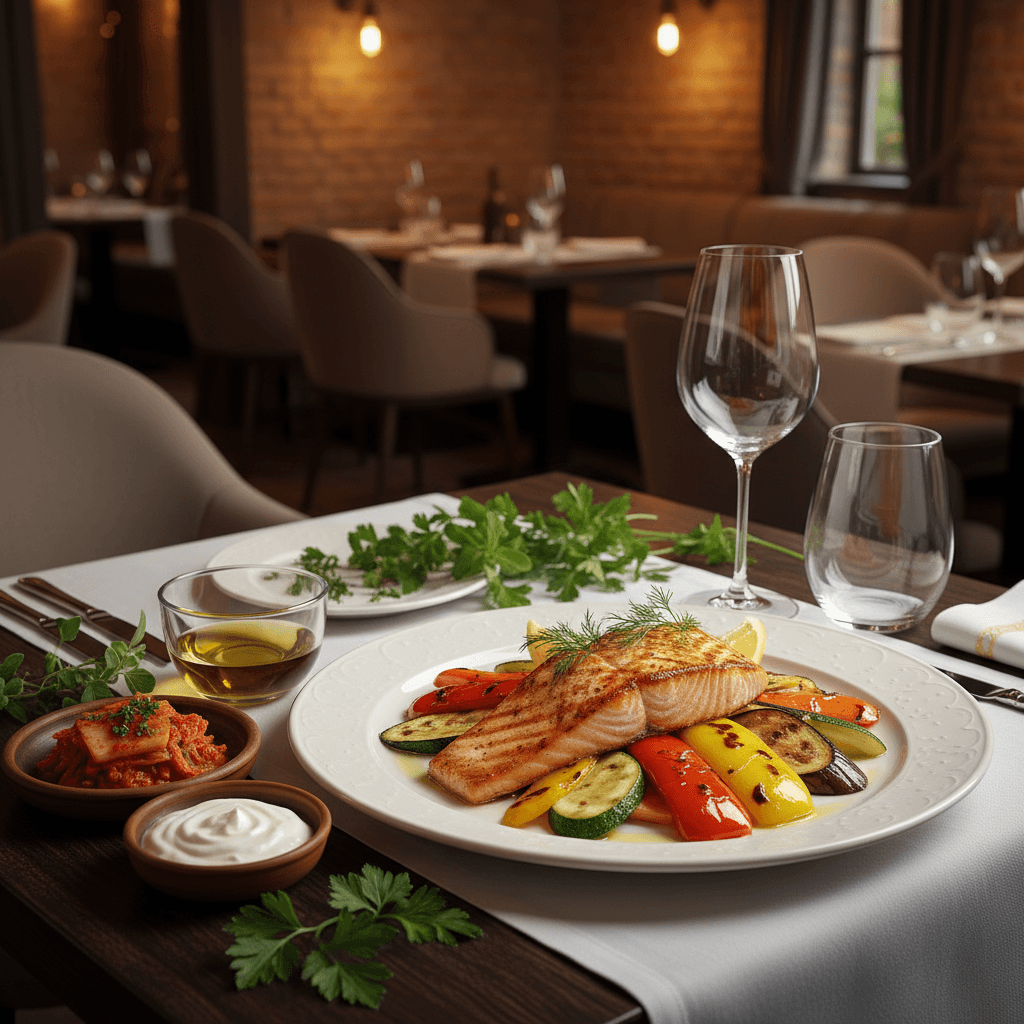
Maintaining gut health while enjoying restaurant meals doesn't have to be complicated or restrictive. With the right strategies and knowledge, you can make dining out a gut-friendly experience that supports your digestive wellness without sacrificing flavor or enjoyment.
Understanding Gut Health Basics
Your gut microbiome—the community of trillions of bacteria, fungi, and other microorganisms living in your digestive tract—plays a central role in overall health. A balanced, diverse microbiome supports digestion, nutrient absorption, immune function, mood regulation, and even cardiovascular health [1].
The foods you eat directly influence your gut microbiome composition. Beneficial bacteria thrive on fiber-rich foods, fermented foods, and polyphenol-rich plants, while ultra-processed foods, excessive sugar, and artificial additives can disrupt microbial balance [2].
Foods That Support Gut Health
When dining out, prioritize these gut-friendly food categories:
Prebiotic Foods
Prebiotics are types of fiber that feed beneficial gut bacteria. They're found in:
- Vegetables: Asparagus, artichokes, onions, garlic, leeks, Jerusalem artichokes
- Whole Grains: Oats, barley, whole wheat
- Legumes: Chickpeas, lentils, beans
- Fruits: Bananas (especially slightly under-ripe), apples, berries
These foods promote the growth of beneficial bacteria like Bifidobacterium and Lactobacillus, which produce short-chain fatty acids that fuel colon cells and reduce inflammation [3].
Probiotic Foods
Probiotics are live beneficial bacteria found in fermented foods:
- Yogurt and Kefir: Look for "live and active cultures" on labels
- Fermented Vegetables: Sauerkraut, kimchi, naturally fermented cucumbers
- Miso and Tempeh: Common in Japanese and Asian cuisines
- Kombucha: Fermented tea beverage
Regular consumption of probiotic-rich foods has been associated with improved digestion, enhanced immune function, and better gut barrier integrity [4].
Polyphenol-Rich Foods
Polyphenols are plant compounds that act as prebiotics and support beneficial bacteria:
- Berries: Blueberries, raspberries, blackberries, strawberries
- Dark Chocolate: 70% cocoa or higher
- Green Tea: Rich in catechins
- Olive Oil: Extra virgin, cold-pressed
- Nuts: Walnuts, almonds, pecans
- Colorful Vegetables: Red cabbage, beets, purple carrots
Polyphenols promote microbial diversity and have anti-inflammatory effects throughout the body [5].
Foods That Can Harm Gut Health
While everyone's tolerance varies, certain foods and ingredients are commonly problematic for gut health:
Ultra-Processed Foods
Highly processed foods often contain emulsifiers, preservatives, and artificial sweeteners that can disrupt gut bacteria and damage the intestinal lining [6]. Restaurant examples include:
- Deep-fried foods with industrial seed oils
- Dishes with cream-based sauces loaded with stabilizers
- Pre-packaged sides and desserts
- Items with long ingredient lists and unrecognizable additives
Excess Sugar and Refined Carbohydrates
High sugar intake can promote the growth of harmful bacteria and yeast while reducing beneficial species [7]. Be cautious with:
- Sugary sauces and glazes
- White bread, pasta, and rice
- Sweetened beverages
- Desserts with refined sugars
Artificial Sweeteners
Some studies suggest that certain artificial sweeteners (aspartame, sucralose, saccharin) may negatively impact gut bacteria composition [8]. When possible, choose beverages and dishes without artificial sweeteners.
Excess Alcohol
While moderate consumption may not significantly harm gut health, excessive alcohol can increase intestinal permeability ("leaky gut") and disrupt microbiome balance [9]. Stick to moderate amounts or choose low-alcohol options.
Restaurant Strategies for Gut Health
1. Choose Restaurants Wisely
Certain cuisine types naturally align with gut-healthy eating:
Mediterranean Restaurants Mediterranean cuisine emphasizes olive oil, vegetables, legumes, whole grains, fish, and fermented dairy—all excellent for gut health. Look for Greek, Lebanese, Turkish, or Israeli restaurants.
Japanese Restaurants Japanese cuisine features fermented foods (miso, natto, fermented vegetables), omega-3-rich fish, seaweed, and vegetables. Avoid heavily fried tempura and excessive soy sauce (high sodium).
Indian Restaurants Indian food incorporates legumes, vegetables, yogurt, and spices with anti-inflammatory properties. Choose tandoori or curry dishes over deep-fried options.
Farm-to-Table Establishments Restaurants emphasizing fresh, local, seasonal ingredients tend to offer more whole foods and fewer processed components.
2. Navigate the Menu Strategically
Start with Fermented or Vegetable-Based Appetizers
- Greek salad with olives and feta
- Mezze platter with hummus and fermented vegetables
- Miso soup
- Side salad with olive oil and vinegar
- Sauerkraut or kimchi (if available)
Choose Fiber-Rich Main Courses
- Grilled fish or chicken with roasted vegetables
- Lentil soup or bean-based stews
- Buddha bowls with quinoa, vegetables, and legumes
- Stir-fries loaded with vegetables (ask for less oil)
- Whole grain pasta with tomato-based sauce and vegetables
Opt for Gut-Friendly Sides
- Steamed or roasted vegetables
- Side salad with olive oil dressing
- Whole grains (brown rice, quinoa, farro)
- Legumes (beans, lentils, chickpeas)
- Fermented vegetables when available
3. Make Strategic Substitutions
Don't hesitate to request modifications:
- "Can I get steamed vegetables instead of fries?"
- "Could you prepare this with olive oil instead of butter?"
- "I'd like brown rice instead of white rice."
- "Can you add extra vegetables to this dish?"
- "Please serve the dressing on the side."
- "Could I get grilled instead of fried?"
Most restaurants are happy to accommodate reasonable requests, especially when you explain it's for digestive health.
4. Practice Mindful Eating
Gut health isn't just about what you eat—it's also about how you eat:
Eat Slowly and Chew Thoroughly Proper chewing breaks down food and signals digestive enzymes to prepare for digestion. Aim to chew each bite 20-30 times.
Avoid Overeating Large portions can overwhelm your digestive system. Consider:
- Sharing entrees
- Ordering appetizer portions
- Asking for half to be boxed before the meal arrives
- Eating until 80% full, not stuffed
Stay Hydrated Drink water throughout the meal to support digestion, but avoid excessive liquid intake with meals, which can dilute digestive enzymes.
Minimize Stress Stress negatively impacts digestion and gut microbiome health [10]. Create a relaxed dining atmosphere:
- Put your phone away
- Engage in pleasant conversation
- Take deep breaths before eating
- Enjoy the experience rather than rushing
5. Time Your Meals Wisely
Your gut microbiome operates on a circadian rhythm, meaning digestive function varies throughout the day [11]. For optimal gut health:
- Eat larger meals earlier in the day when digestive function is strongest
- Finish dinner 2-3 hours before bedtime to allow proper digestion
- Maintain consistent meal times to support microbiome balance
Using Technology to Support Gut Health Dining
Finding gut-friendly options at unfamiliar restaurants can be challenging. LeanDine simplifies this process with AI-powered menu analysis.
How LeanDine Helps
- Scan any menu using your phone camera or by uploading a photo
- Set dietary preferences including gut health priorities, fiber goals, or specific dietary restrictions
- Get personalized recommendations highlighting dishes that support your gut health goals
- Filter by dietary needs such as dairy-free, gluten-free, or high-fiber options
- Make informed decisions based on ingredients, preparation methods, and nutritional content
Try LeanDine next time you're choosing a restaurant or ordering from a menu. It takes the guesswork out of gut-friendly dining.
Questions to Ask Your Server
Empower yourself with information by asking:
- "Are any of these vegetables fermented?"
- "Can you tell me how this dish is prepared?" (fried, grilled, sautéed)
- "What kind of oil do you use for cooking?"
- "Does this contain any artificial sweeteners or additives?"
- "Can I get extra vegetables added to this dish?"
- "Is this made fresh or is it pre-packaged?"
- "Do you have any whole grain options?"
Special Considerations
Eating Out with IBS or Food Sensitivities
If you have irritable bowel syndrome (IBS) or specific food intolerances:
- Stick to restaurants where you've had positive experiences
- Research menus ahead of time
- Identify trigger foods and avoid them consistently
- Consider following a low-FODMAP approach if recommended by your healthcare provider
- Bring digestive enzymes if recommended by your doctor
- Don't be embarrassed to ask detailed questions about ingredients
Managing Social Pressure
Social dining can create pressure to eat foods that don't align with your gut health goals:
- Communicate your needs clearly but without over-explaining
- Choose restaurants where healthy options are available
- Don't feel obligated to explain every dietary choice
- Focus on enjoying the social experience, not just the food
- Suggest gut-friendly restaurants when planning with friends
The 80/20 Approach
Perfect adherence isn't necessary for gut health. Following gut-healthy principles 80% of the time while allowing flexibility 20% of the time creates a sustainable approach that doesn't sacrifice social connections or enjoyment.
When you do indulge in less-than-ideal choices:
- Return to gut-healthy eating at your next meal
- Stay well-hydrated
- Include probiotic-rich foods the following day
- Don't stress—stress is worse for gut health than an occasional treat
The Bottom Line
Maintaining gut health while dining out is entirely possible with strategic choices, mindful eating practices, and the right tools. By prioritizing prebiotic and probiotic-rich foods, choosing restaurants that emphasize whole foods, and making thoughtful menu selections, you can support your gut microbiome while enjoying restaurant experiences.
Remember that gut health is a journey, not a destination. Small, consistent choices add up to significant benefits over time. Use technology like LeanDine to make informed decisions, and don't be afraid to ask questions or request modifications to support your digestive wellness.
Your gut—and your overall health—will thank you for the care and attention you invest in making gut-friendly dining choices.
This article was researched and written with AI assistance and reviewed by the LeanDine Nutrition Team.
This content is for informational purposes only and does not constitute medical advice. Always consult a healthcare professional or registered dietitian for personalized nutrition guidance.
References
Valdes, A., et al. (2018). "Role of the gut microbiota in nutrition and health." BMJ. https://www.bmj.com/content/361/bmj.k2179
Statovci, D., et al. (2017). "The Impact of Western Diet and Nutrients on the Microbiota and Immune Response at Mucosal Interfaces." Frontiers in Immunology. https://www.frontiersin.org/articles/10.3389/fimmu.2017.00838/full
Gibson, G., et al. (2017). "Expert consensus document: The International Scientific Association for Probiotics and Prebiotics (ISAPP) consensus statement on the definition and scope of prebiotics." Nature Reviews Gastroenterology & Hepatology. https://www.nature.com/articles/nrgastro.2017.75
Hill, C., et al. (2014). "Expert consensus document: The International Scientific Association for Probiotics and Prebiotics consensus statement on the scope and appropriate use of the term probiotic." Nature Reviews Gastroenterology & Hepatology. https://www.nature.com/articles/nrgastro.2014.66
Duda-Chodak, A., et al. (2015). "Interaction of dietary compounds, especially polyphenols, with the intestinal microbiota: a review." European Journal of Nutrition. https://link.springer.com/article/10.1007/s00394-015-0852-y
Chassaing, B., et al. (2015). "Dietary emulsifiers impact the mouse gut microbiota promoting colitis and metabolic syndrome." Nature. https://www.nature.com/articles/nature14232
Satokari, R. (2020). "High Intake of Sugar and the Balance between Pro- and Anti-Inflammatory Gut Bacteria." Nutrients. https://www.mdpi.com/2072-6643/12/5/1348
Suez, J., et al. (2022). "Personalized microbiome-driven effects of non-nutritive sweeteners on human glucose tolerance." Cell. https://www.cell.com/cell/fulltext/S0092-8674(22)00919-9
Engen, P., et al. (2015). "The Gastrointestinal Microbiome: Alcohol Effects on the Composition of Intestinal Microbiota." Alcohol Research. https://www.ncbi.nlm.nih.gov/pmc/articles/PMC4590619/
Madison, A., et al. (2021). "Stress, depression, diet, and the gut microbiota: human-bacteria interactions at the core of psychoneuroimmunology and nutrition." Current Opinion in Behavioral Sciences. https://www.sciencedirect.com/science/article/abs/pii/S2352154619300051
Thaiss, C., et al. (2016). "Microbiota Diurnal Rhythmicity Programs Host Transcriptome Oscillations." Cell. https://www.cell.com/cell/fulltext/S0092-8674(16)31574-7