
The Ultimate Guide to Fiber in 2026: From Fibermaxxing to Gut Health
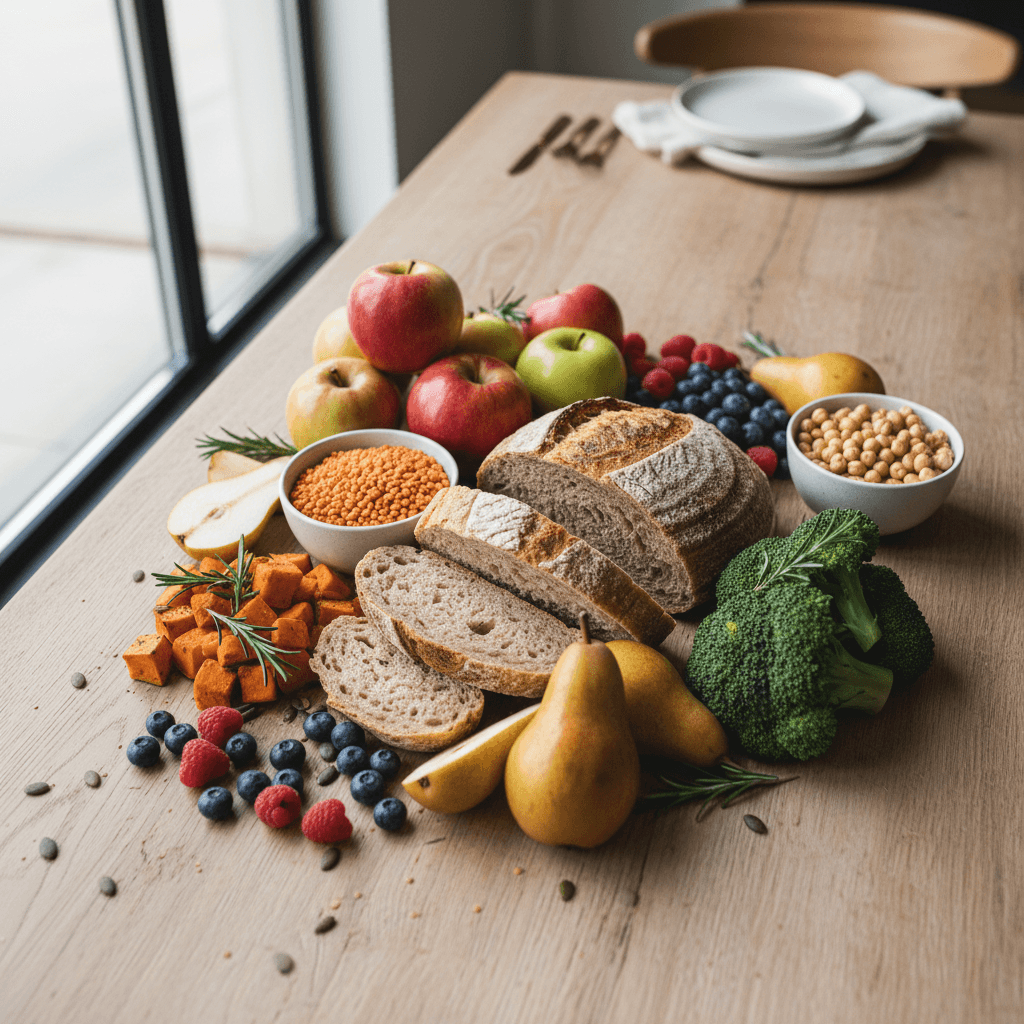
If you've scrolled through social media lately, you've probably encountered the term "fibermaxxing"—the latest nutrition trend taking the wellness world by storm. But this isn't just another fleeting diet fad. The science behind fiber's health benefits is robust, and 2026 is shaping up to be the year fiber finally gets the recognition it deserves.
What Is Fibermaxxing?
Fibermaxxing refers to the intentional practice of maximizing your daily fiber intake by adding high-fiber foods to each meal and snack. Unlike restrictive diets that focus on what to eliminate, fibermaxxing is about what to add—making it a sustainable, positive approach to nutrition.
The trend gained momentum as research continues to reveal fiber's remarkable health benefits, from improved gut health and enhanced satiety to better metabolic function and reduced disease risk [1]. Dietary fiber has been shown to support digestive health, regulate blood sugar levels, lower cholesterol, and promote healthy weight management [2].
The Science: Why Fiber Matters
Dietary fiber comes in two forms: soluble and insoluble. Soluble fiber dissolves in water and forms a gel-like substance that slows digestion, helping you feel full longer and stabilizing blood sugar levels [3]. Insoluble fiber adds bulk to stool and helps food move through your digestive system, preventing constipation and supporting regular bowel movements [4].
Gut Health and the Microbiome
Your gut microbiome—the trillions of bacteria living in your digestive tract—thrives on fiber. When you eat fiber-rich foods, beneficial bacteria ferment the fiber into short-chain fatty acids (SCFAs) like butyrate, which fuel the cells lining your colon and reduce inflammation [5]. A fiber-rich diet promotes microbial diversity, which is associated with better overall health, stronger immunity, and even improved mental well-being [6].
Metabolic Benefits
Studies show that increased fiber intake is linked to improved metabolic health markers. Fiber helps regulate blood glucose by slowing carbohydrate absorption, which prevents blood sugar spikes and crashes [7]. This makes fiber particularly valuable for people managing diabetes or trying to maintain stable energy levels throughout the day.
Additionally, soluble fiber binds to cholesterol in the digestive system and helps remove it from the body, potentially lowering LDL ("bad") cholesterol levels [8]. The FDA recognizes that diets high in soluble fiber from sources like oats, beans, and psyllium can reduce the risk of heart disease.
Satiety and Weight Management
Fiber-rich foods are naturally more filling, which can help reduce overall calorie intake without leaving you hungry. High-fiber meals slow gastric emptying and trigger the release of satiety hormones, helping you feel satisfied longer [9]. This makes fiber an essential component of any weight management strategy—not through restriction, but through smarter food choices.
How Much Fiber Do You Need?
The USDA Dietary Guidelines recommend that adults consume 25-38 grams of fiber per day, depending on age and sex [10]. Unfortunately, most Americans fall far short of this target, averaging only 10-15 grams daily. This fiber gap represents a significant missed opportunity for improving health.
Daily Fiber Targets:
- Women: 25 grams per day
- Men: 38 grams per day
- Children: Age + 5-10 grams per day
Top High-Fiber Foods
Incorporating more fiber into your diet doesn't require drastic changes. Here are some of the richest sources:
Legumes and Beans:
- Lentils: 15g per cup (cooked)
- Black beans: 15g per cup (cooked)
- Chickpeas: 12g per cup (cooked)
Whole Grains:
- Oats: 8g per cup (cooked)
- Quinoa: 5g per cup (cooked)
- Whole wheat pasta: 6g per cup (cooked)
Vegetables:
- Broccoli: 5g per cup (cooked)
- Brussels sprouts: 4g per cup (cooked)
- Sweet potato: 4g per medium potato
Fruits:
- Raspberries: 8g per cup
- Pear: 6g per medium pear
- Apple (with skin): 4g per medium apple
Nuts and Seeds:
- Chia seeds: 10g per 2 tablespoons
- Almonds: 4g per ¼ cup
- Flaxseeds: 8g per ¼ cup
Fibermaxxing When Dining Out
Eating at restaurants doesn't mean abandoning your fiber goals. With strategic choices, you can maintain or even boost your fiber intake while enjoying restaurant meals.
Smart Restaurant Strategies
1. Start with Salad or Vegetables Order a side salad or vegetable-based appetizer before your main course. Leafy greens, raw vegetables, and bean-based dips like hummus provide an excellent fiber foundation for your meal.
2. Choose Whole Grains When given the option between white rice and brown rice, white bread and whole wheat, or regular pasta and whole grain pasta, always opt for the whole grain version. These simple swaps can add 3-5 grams of fiber per serving.
3. Look for Legume-Based Dishes Lentil soups, bean burritos, chickpea curries, and three-bean salads are restaurant staples that pack serious fiber. Many cuisines—Mediterranean, Mexican, Indian, Middle Eastern—feature legumes prominently.
4. Ask About Substitutions Don't hesitate to request substitutions: swap fries for a side of vegetables, ask for extra vegetables in your stir-fry, or request beans instead of white rice as your burrito base.
5. Prioritize Plant-Forward Menus Restaurants emphasizing plant-based or Mediterranean cuisine typically offer more high-fiber options. Browse the menu for dishes featuring vegetables, whole grains, nuts, seeds, and legumes as primary ingredients.
Using LeanDine to Identify High-Fiber Options
Finding fiber-rich dishes at unfamiliar restaurants can be challenging. That's where LeanDine comes in. Our AI-powered menu analysis instantly identifies dishes based on your nutritional goals—including fiber content. Simply scan a menu, set your health preferences, and get personalized dish rankings that highlight the best high-fiber options.
LeanDine's dietary filters help you find meals that align with your gut health goals, whether you're following a plant-based diet or simply trying to increase fiber intake. Our analysis considers ingredients, preparation methods, and portion sizes to give you accurate nutritional insights.
Practical Tips for Increasing Fiber Intake
Start Gradually: Sudden increases in fiber can cause digestive discomfort. Add 5 grams per week until you reach your target intake.
Drink Plenty of Water: Fiber absorbs water, so adequate hydration is essential for preventing constipation.
Spread It Throughout the Day: Instead of eating all your fiber at one meal, distribute it across breakfast, lunch, dinner, and snacks.
Read Labels Carefully: Look for foods with at least 3 grams of fiber per serving. Check ingredient lists for "whole grain" as the first ingredient.
Experiment with New Foods: Try different types of beans, whole grains, and vegetables to find fiber sources you genuinely enjoy.
Potential Side Effects and How to Avoid Them
When increasing fiber intake, some people experience gas, bloating, or changes in bowel movements. These effects are usually temporary as your gut microbiome adjusts to the increased fiber. To minimize discomfort:
- Increase fiber gradually over several weeks
- Drink at least 8 glasses of water daily
- Choose a variety of fiber sources (soluble and insoluble)
- Consider probiotic-rich foods like yogurt and fermented vegetables
If digestive issues persist beyond 2-3 weeks, consult with a healthcare provider.
The Bottom Line
Fibermaxxing isn't just a trend—it's a return to eating patterns supported by decades of nutritional science. By prioritizing fiber-rich whole foods, you're investing in better gut health, improved metabolic function, sustained energy, and long-term disease prevention.
Whether you're cooking at home or dining out, small strategic choices add up to significant health benefits. Start by identifying one high-fiber swap you can make today, and build from there. Your gut—and your overall health—will thank you.
This article was researched and written with AI assistance and reviewed by the LeanDine Nutrition Team.
This content is for informational purposes only and does not constitute medical advice. Always consult a healthcare professional or registered dietitian for personalized nutrition guidance.
References
Reynolds, A., et al. (2019). "Carbohydrate quality and human health: a series of systematic reviews and meta-analyses." The Lancet. https://www.thelancet.com/journals/lancet/article/PIIS0140-6736(18)31809-9/fulltext
U.S. Department of Agriculture. (2020). "Dietary Guidelines for Americans 2020-2025." https://www.dietaryguidelines.gov/
Slavin, J. (2013). "Fiber and Prebiotics: Mechanisms and Health Benefits." Nutrients. https://www.ncbi.nlm.nih.gov/pmc/articles/PMC3705355/
Yang, J., et al. (2022). "Dietary Fiber and All-Cause and Cause-Specific Mortality: An Umbrella Review of Meta-Analyses." Advances in Nutrition. https://academic.oup.com/advances/article/13/2/464/6426857
Makki, K., et al. (2018). "The Impact of Dietary Fiber on Gut Microbiota in Host Health and Disease." Cell Host & Microbe. https://www.cell.com/cell-host-microbe/fulltext/S1931-3128(18)30284-3
Valdes, A., et al. (2018). "Role of the gut microbiota in nutrition and health." BMJ. https://www.bmj.com/content/361/bmj.k2179
Weickert, M., et al. (2018). "Impact of Dietary Fiber Consumption on Insulin Resistance and the Prevention of Type 2 Diabetes." Journal of Nutrition. https://academic.oup.com/jn/article/148/1/7/4823697
Brown, L., et al. (1999). "Cholesterol-lowering effects of dietary fiber: a meta-analysis." American Journal of Clinical Nutrition. https://academic.oup.com/ajcn/article/69/1/30/4694087
Wanders, A., et al. (2011). "Effects of dietary fiber on subjective appetite, energy intake and body weight: a systematic review of randomized controlled trials." Obesity Reviews. https://onlinelibrary.wiley.com/doi/10.1111/j.1467-789X.2010.00809.x
Institute of Medicine. (2005). "Dietary Reference Intakes for Energy, Carbohydrate, Fiber, Fat, Fatty Acids, Cholesterol, Protein, and Amino Acids." National Academies Press. https://www.nap.edu/catalog/10490/dietary-reference-intakes-for-energy-carbohydrate-fiber-fat-fatty-acids-cholesterol-protein-and-amino-acids